
lebanto: one gesture, three materials
put two of lebanto's side tables next to each other and they look like the same object in a different light. a round top, 45 cm across, rests on two upright planes that interlock beneath it. in one the planes are solid oak, in the next they are marble, in a third they are bronzed glass. the form stays put; the material changes what it says. that is close to how the studio describes itself: a quieter, more sculptural language where material leads the form.
the city of furniture
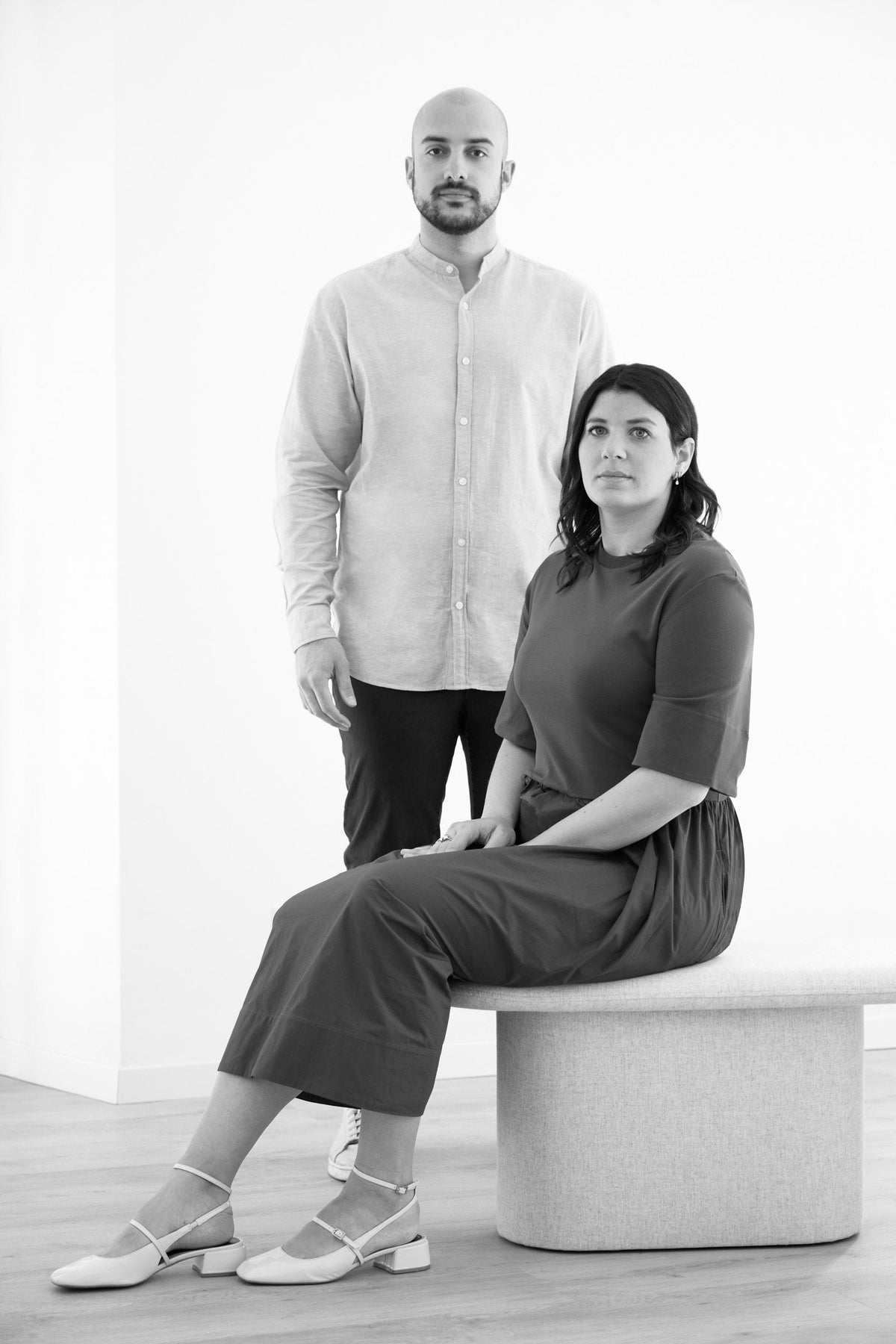
lebanto was founded by emanuela terraneo and alessandro pozzi and is based in cantù, in the province of como, between milan and lake como. the town is, in lebanto's words, literally called the city of furniture, and many workshops there still belong to the trade. its origins, the studio writes, go back to the nineteenth century, when whole families made their first pieces in a room at the back of the house.
lebanto's pieces are made in small wood and stone workshops of the cantù district, which the studio sees as a way to keep the craft and the local economy alive. lebanto has shown them several times at milano design week and at icff in new york, and at dutch design week in eindhoven.
material first
the materials are the point. calacatta viola, roman travertine and emperador dark appear in lebanto's own text next to hand-finished glass as the main surfaces, chosen for depth, texture and the way they age. the forms are drawn to reveal veining and transparency, not to decorate them. the catalogue keeps to a few archetypes and refines them over time instead of adding novelties.
the studio puts its sensibility in one line: a nordic and eastern restraint, with disciplined proportions and a respect for emptiness, folded into the structural confidence of italian making. the result, it says, is furniture that feels at once familiar and unplaceable, warmer than minimalism, quieter than design.
made when you order
lebanto does not fill a warehouse. production starts only once a piece is ordered, and surfaces are finished by hand to bring out the nature of the material. the same studio runs a bespoke lab for private clients and architects: drawings in 2d and 3d, research into materials and finishes, a chosen team of craftsmen for each project, and delivery through international partners. for professionals it offers trade terms, a sample box of glass, marble and wood, and adapted sizes.
the pieces at spazio
spazio shows ten pieces by lebanto, all made to order in italy.
the round family starts small. the 'kume side table' is solid oak, natural or smoked. the 'kyushu side table' is natural stone, in four marbles and two travertines. the 'amami side table' is tinted glass, bronzed or smoked. all three measure 45 cm across and stand 39 cm high.

at 60 cm across and 29 cm high, the 'aka coffee table' carries the same idea in glass and the 'hashi coffee table' in stone, two thick boards that almost meet beneath the top. at 100 cm across, the 'arki coffee table' is bronzed or smoked glass, and the 'ishiki coffee table' is carved from one stone throughout, calacatta viola marble or roman travertine, so the veining runs from top to base.
the 'yuri dining table' brings the cross of glass up to table height: 100 cm across and 75 cm high, sized for a breakfast corner or a kitchen. the 'noor lounge table' stretches the planes into a long, low line of glass, 120 cm long. and the 'aros bench' sets an upholstered seat in dedar fabric on two crossing legs of smoked oak, 140 cm long, for the foot of a bed or a hallway.
the names point east, though not all of them: noor, aros and arki are not japanese. the japanese ones, the studio says, are meant to carry the minimal design and pureness of japan.
seen together, they are one gesture worked through stone, glass and wood, and made in cantù only once someone asks for it.
all their pieces on spazio: lebanto.
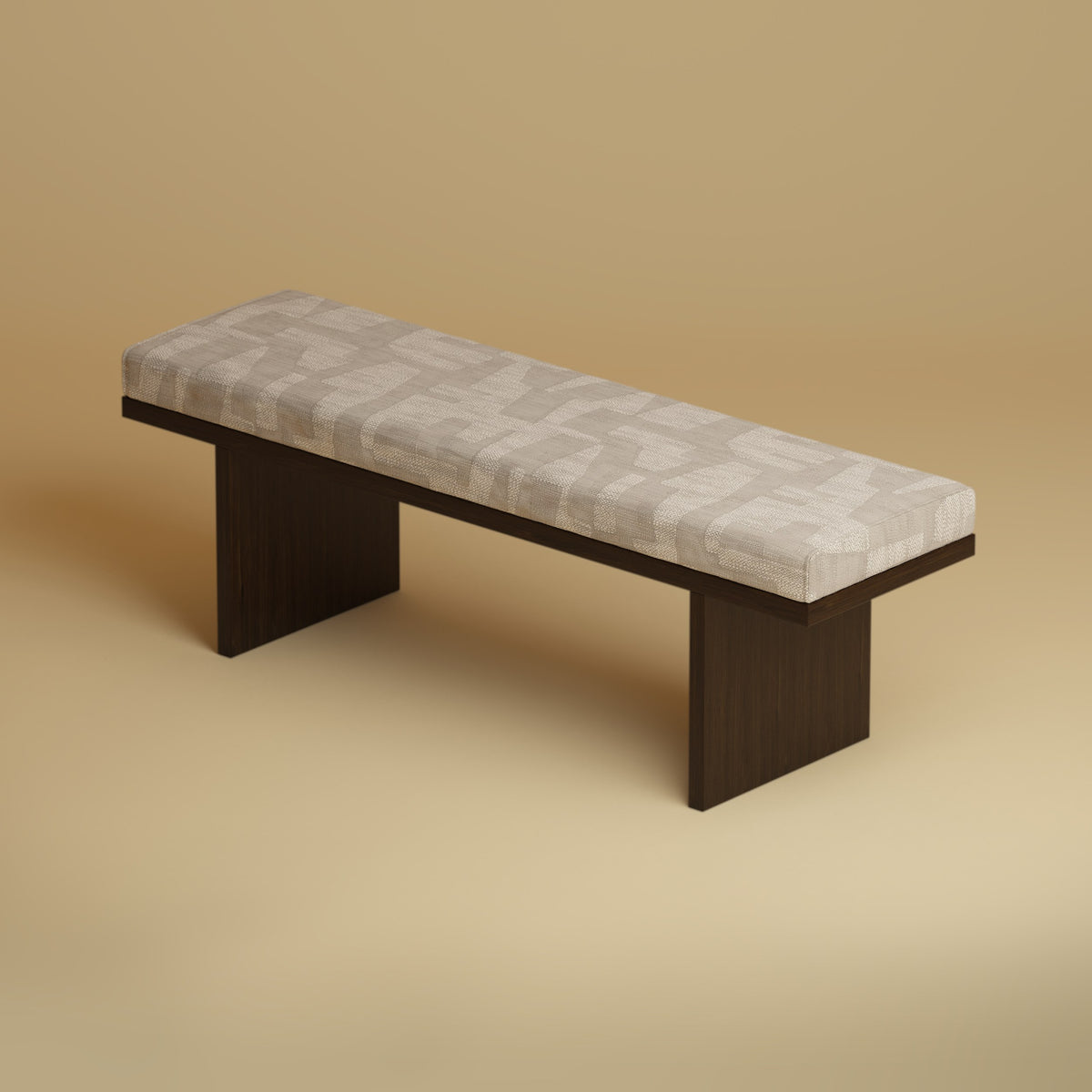

aros bank
Dhs. 21,204.00lebanto
made to order


noor lounge-tisch
Dhs. 8,326.00lebanto
made to order
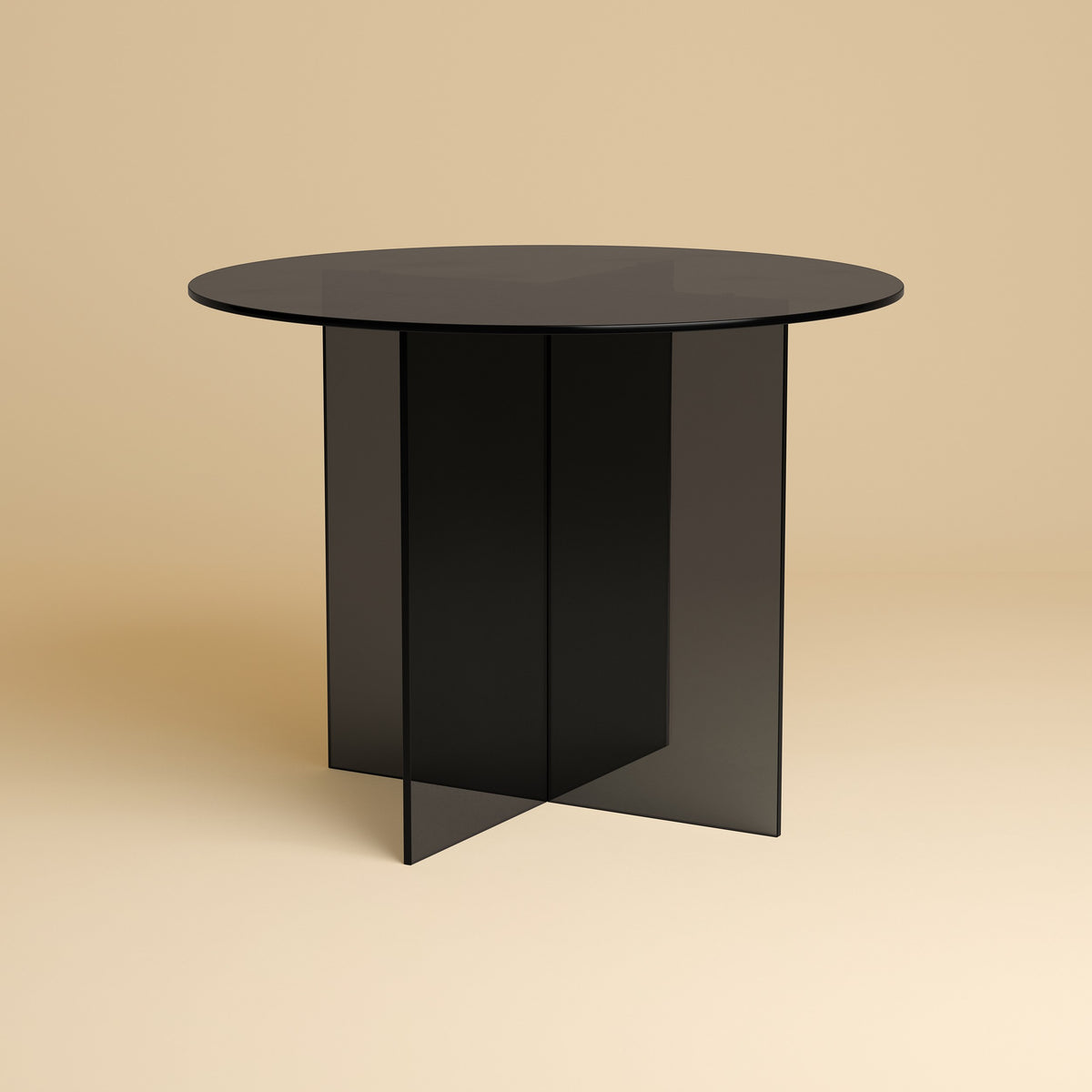

yuri esstisch
Dhs. 15,667.00lebanto
made to order


hashi couchtisch
from Dhs. 13,658.00lebanto
made to order
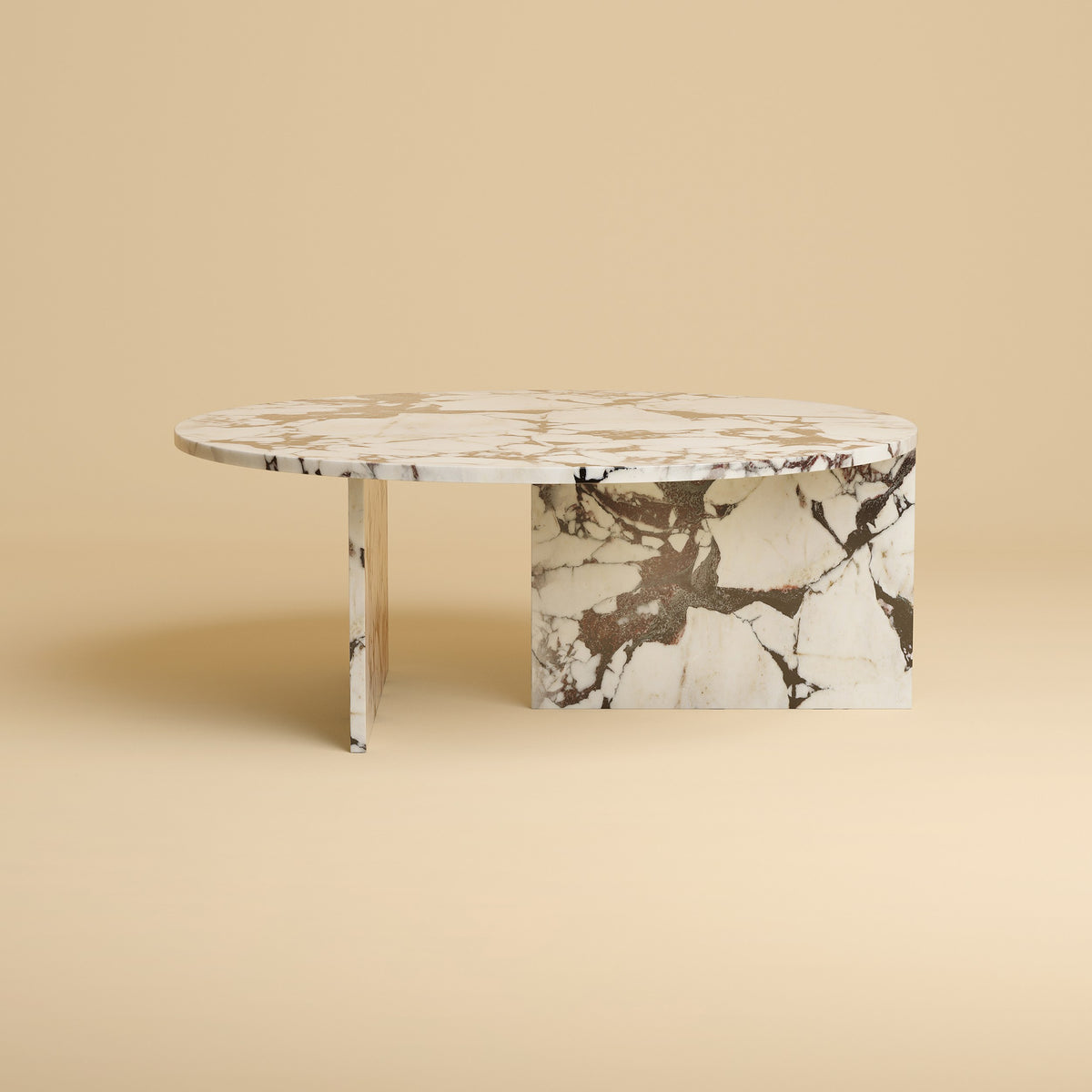

ishiki couchtisch
from Dhs. 25,756.00lebanto
made to order


arki couchtisch
Dhs. 10,623.00lebanto
made to order
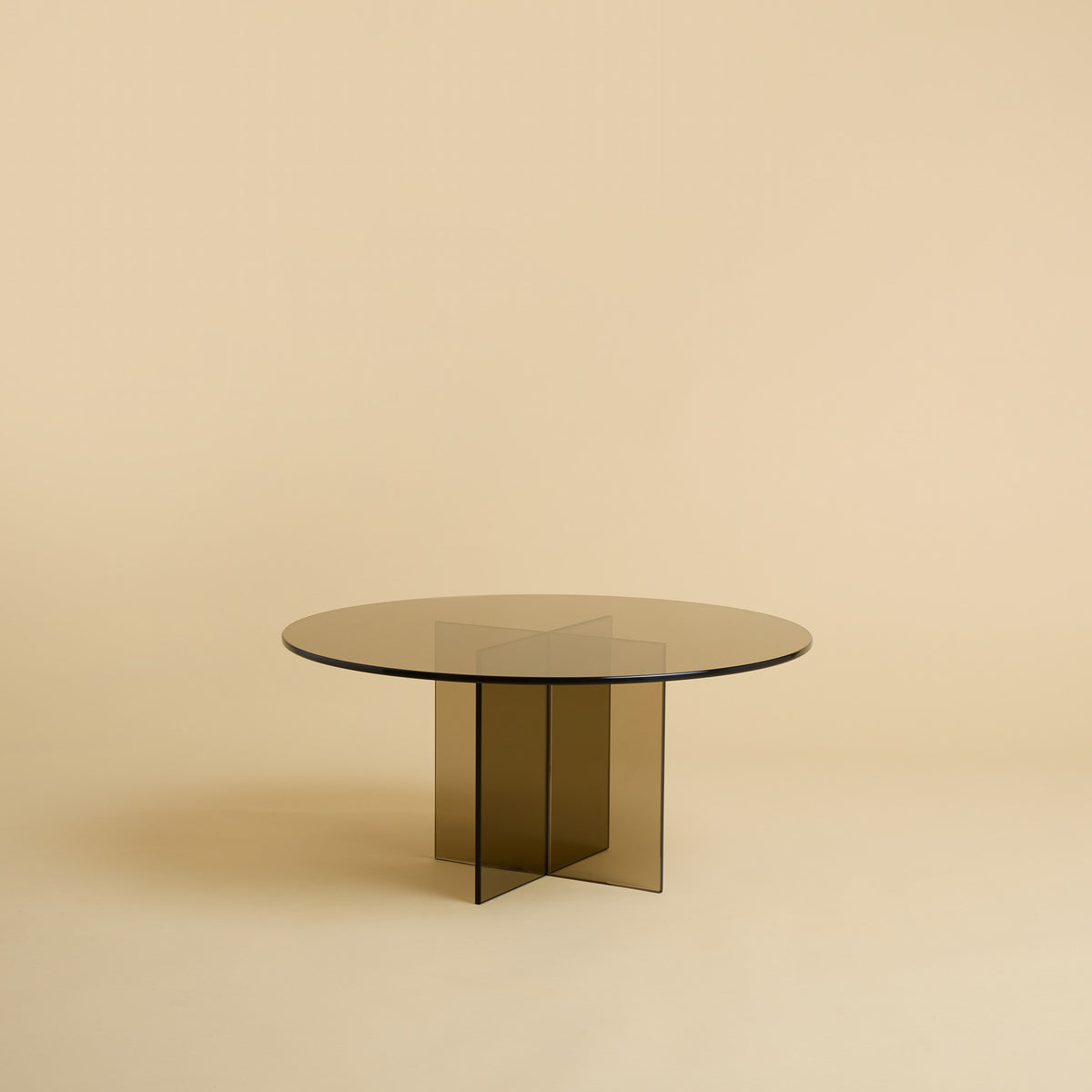

aka couchtisch
Dhs. 4,799.00lebanto
made to order


kume beistelltisch
Dhs. 9,105.00lebanto
made to order
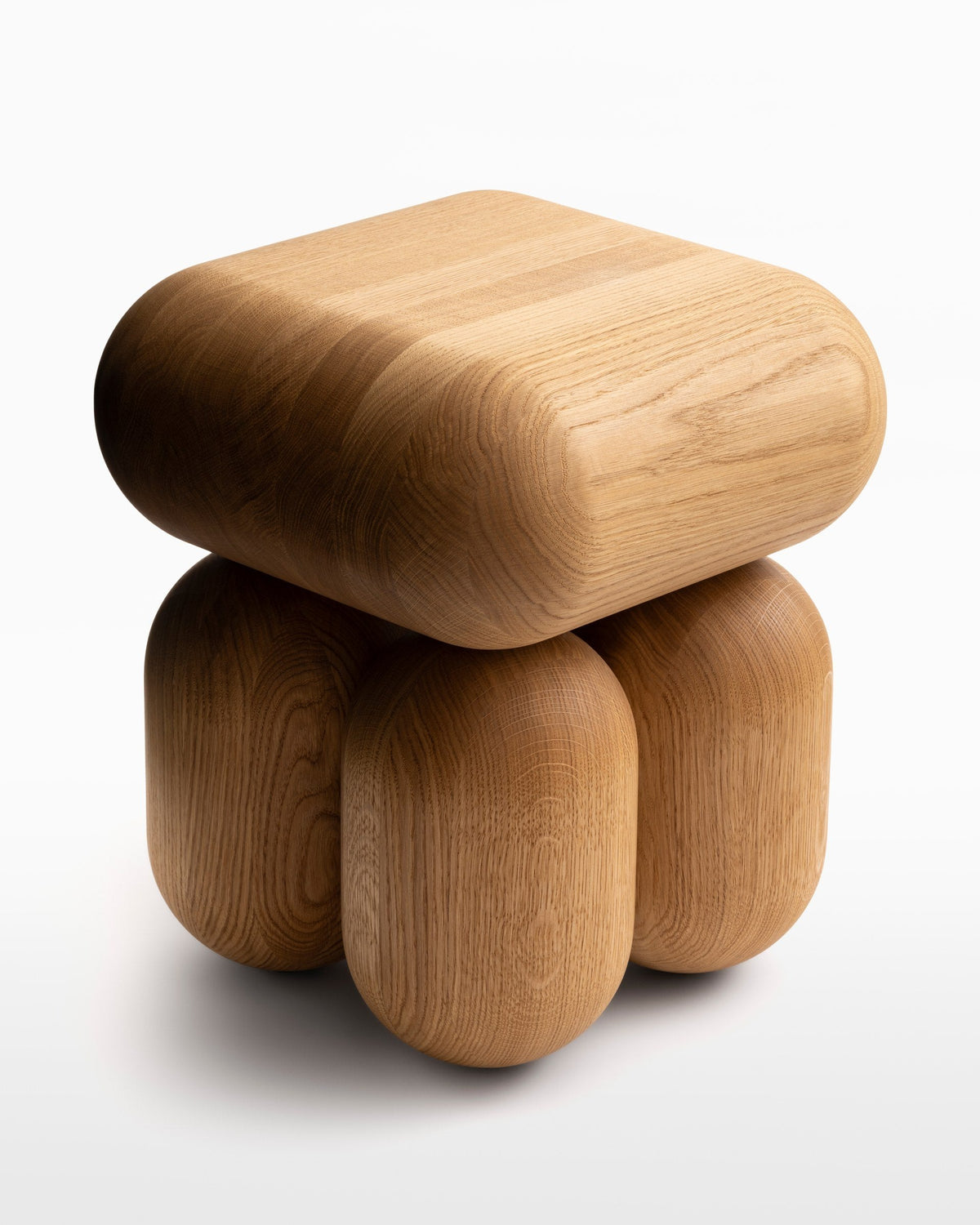
At New Facettes in Berlin, Max Kellermann and Sebastian Labis Make Solid Wood Look Almost Unreal
Two architects in Berlin make a stool in solid ash or oak that could pass for a rendering. A portrait of New Facettes from the first...

In Donostia, Joshua Linacisoro Welds an Incense Holder to Keep His Hands in Practice
Joshua Linacisoro works between Donostia and Barcelona, on objects made for small daily ceremonies. A portrait from the first issue of our magazine.

In Studio von Schoenebeck's Chairs Named After Bulgakov's Lovers, Margarita Is the Sturdier One
Magdalena Shterianova's favourite novel became a pair of chairs in raw aluminium. How Studio von Schoenebeck in Munich builds its stories into aluminium and charred beech....